Experiments
// side quests in pixels, parsers, and typed languages
These are the projects I build to follow a question until it turns into something visible. Some are graphics toys, some are language exercises, and some are small tools that escaped into the wild. Start with Deus Ex in the browser for the current signal, then follow whichever rabbit hole looks interesting.
Graphics & rendering
-
- 2026 ·
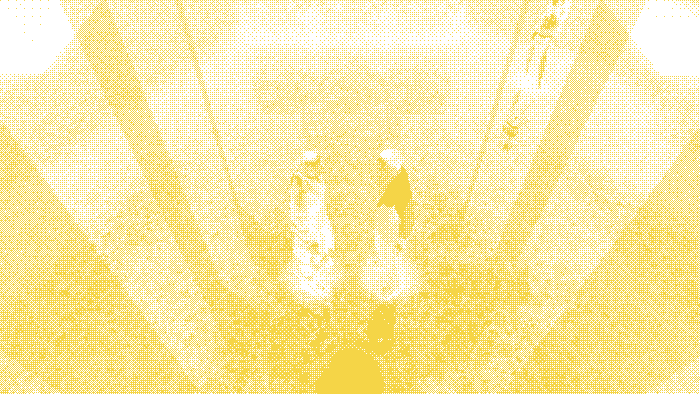
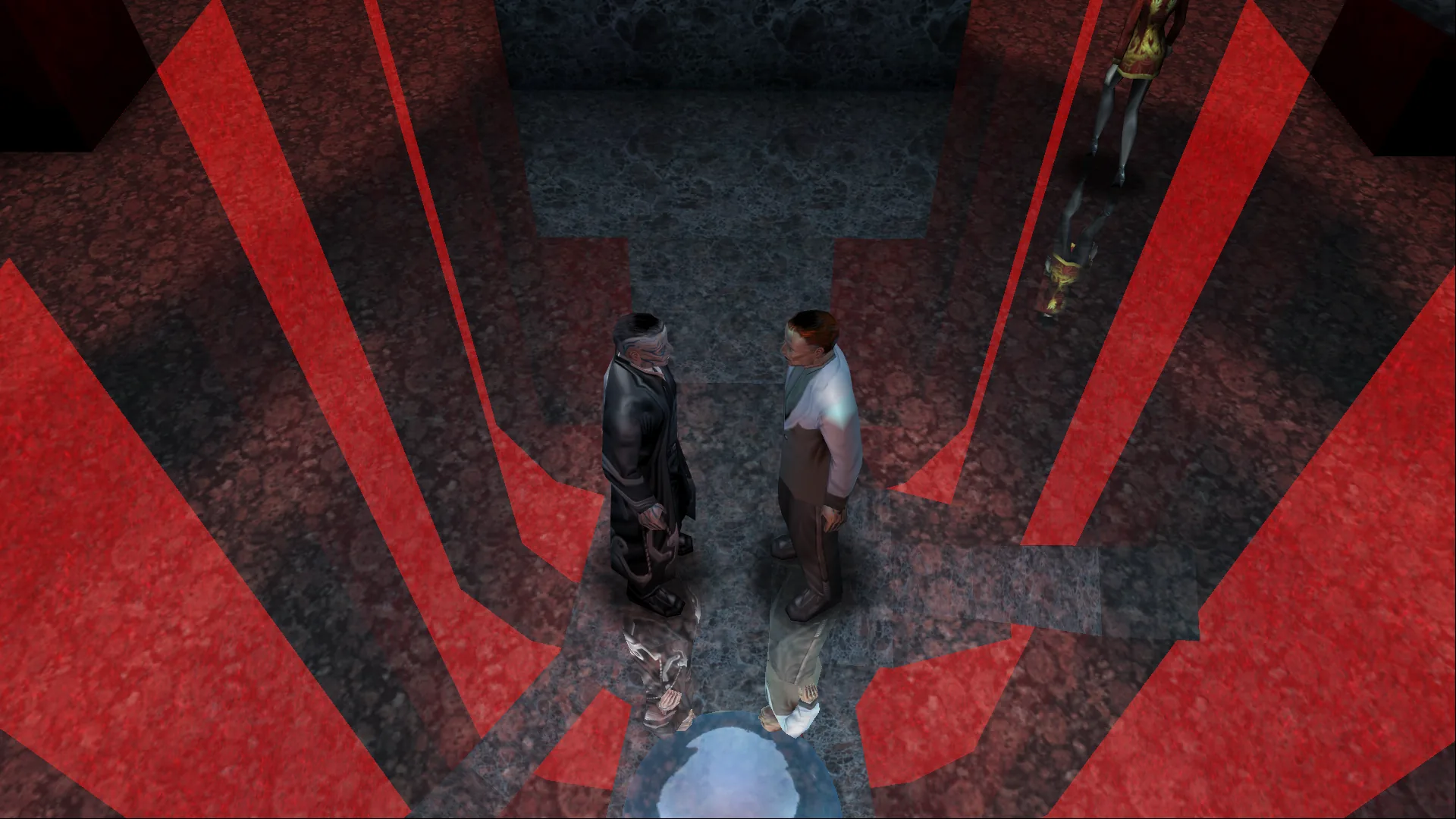
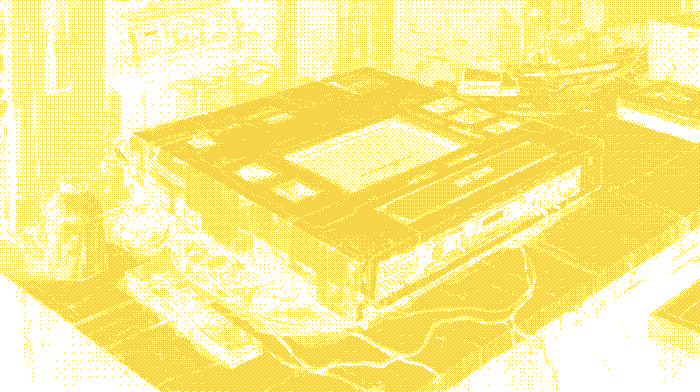
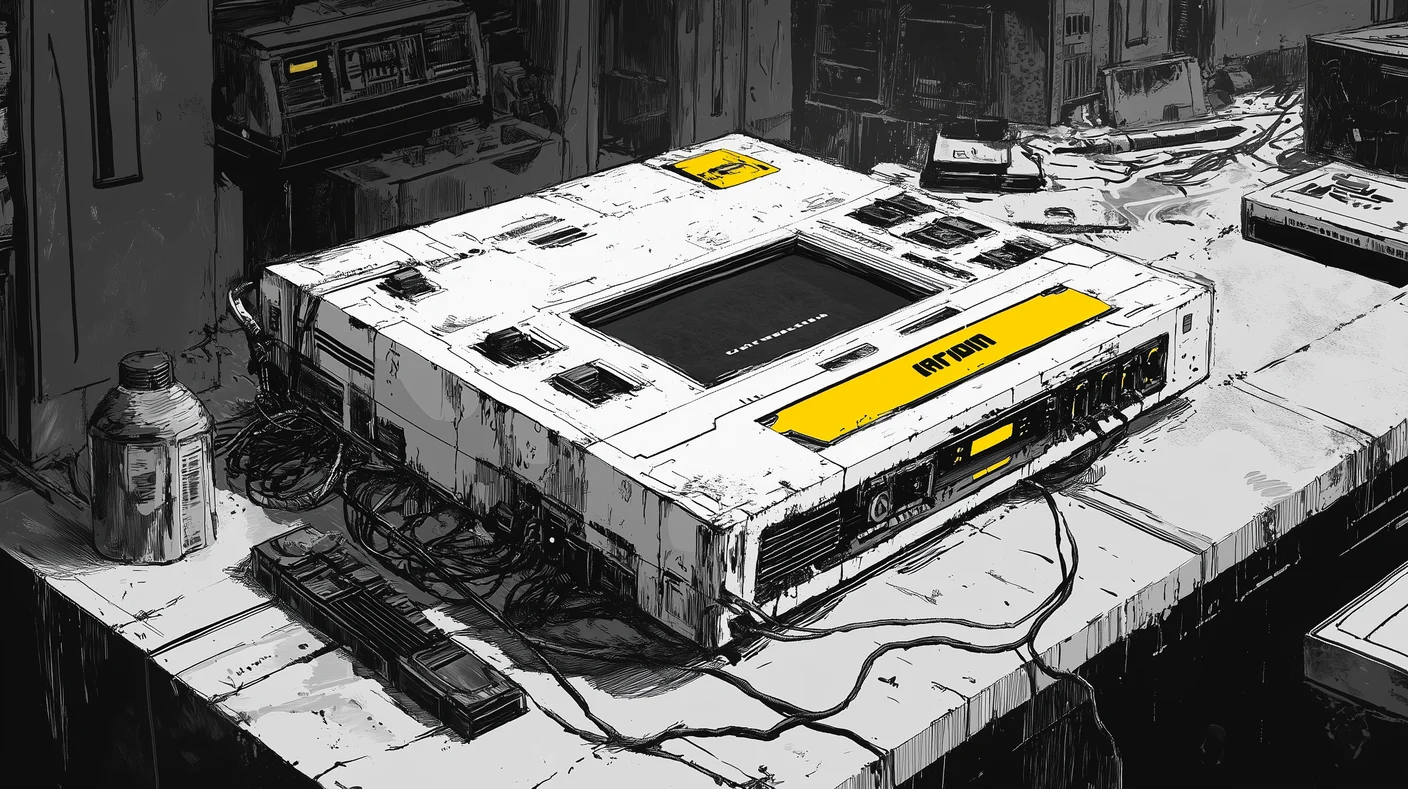
JavaScript·Rust·WebAssembly·WebGL2 - The original 2000 Deus Ex in a browser tab, from a local install: the game's own bytecode on a rebuilt engine, with every translated piece checked against the original.
- Local only · Related note
- 2026 ·
-
- 2025 ·
C·Raylib·Marching Cubes - Interactive terrain generation and modification through scalar fields, chunked remeshing, and a sculpting brush.
- Source code · Related note
- 2025 ·
-
- 2017 ·
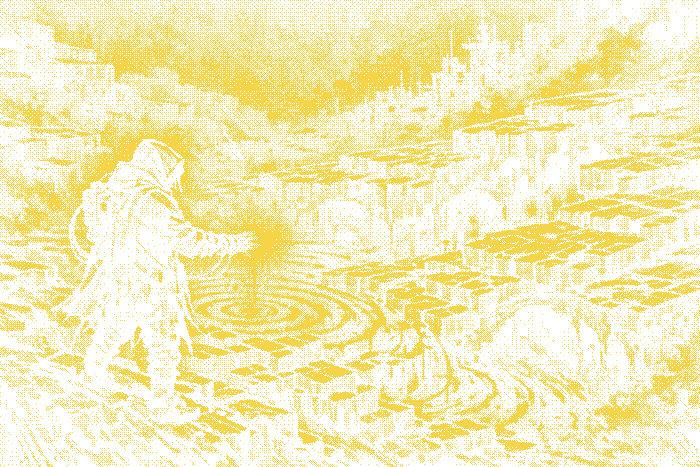
C++·OpenGL·Chip8 - A Chip8 virtual machine whose 64×32 framebuffer becomes a navigable field of 3D cubes.
- Source code
- 2017 ·

Languages & playful systems
-
- 2017 ·
Rust·Nom·Interpreter - A lexer, parser, AST, and evaluator for the Monkey language, adapted from Writing An Interpreter In Go.
- Source code
- 2017 ·
-
- 2015 ·
Haskell·Yampa·SDL2·FRP - A Flappy Bird clone used to explore Functional Reactive Programming and signal-based game state.
- Source code
- 2015 ·
-
Conway’s Game of Life in Haskell
- 2016 ·
Haskell·SDL2·Cellular automata - A grid simulation using stencil convolution to count neighbours and evolve each generation.
- Source code
- 2016 ·


Small tools
- Fake Images Please

- 2012 ·
Python·Docker·Web - A placeholder-image generator for layouts and prototypes, with configurable sizes, colours, text, fonts, and transparency.
- Website · Source code
- 2012 ·
Back to Home · see what I’m doing on Now · browse the Notes · view my Resume.